
Something interesting has been happening over the last few years.
More people are leaving their screens, stepping outside, and looking for experiences that feel real again. Hiking trails are busier. National parks are seeing record numbers. And adventure parks filled with ropes courses and zip lines are suddenly on everyone’s weekend list.
If it feels like outdoor adventure has exploded in popularity, that’s because it has. And the numbers behind the trend are pretty remarkable.
Let’s take a look at what the data shows and why adventure parks are becoming such an important part of modern outdoor recreation.
Outdoor recreation is growing faster than many industries
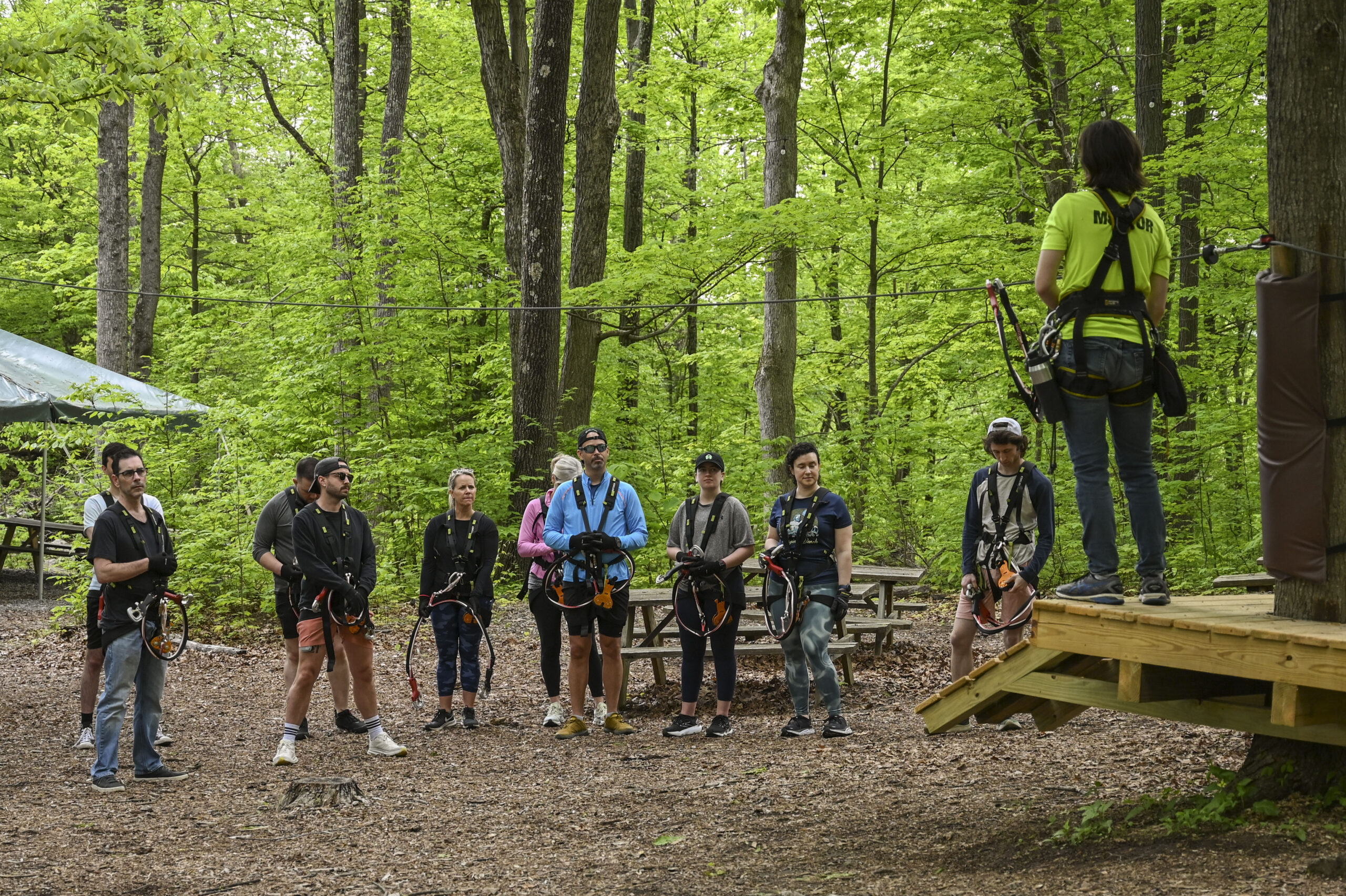
Outdoor recreation is no longer a niche hobby for hardcore adventurers. It has become one of the largest lifestyle industries in the United States.
According to industry data, outdoor recreation contributes more than $696.7 billion to the U.S. economy every year.
That is larger than many traditional sectors people rarely question.
Even more impressive is how many people are involved.
Recent participation reports show that over 175.8 million Americans (57% population) take part in outdoor activities each year, representing well over half of the population.
In other words, more people are getting outside than ever before.
The outdoor economy also supports millions of jobs and thousands of small businesses across the country.
This shift is not just about recreation. It is shaping tourism, local economies, and how communities design public spaces.
And in the middle of all this growth sits a category that perfectly matches modern recreation habits: adventure parks.
Why adventure parks are becoming so popular
Adventure parks combine several things people want today.
They are active.
They are social.
And they happen outdoors.
Research into the adventure park industry shows that ropes courses and aerial obstacle courses make up 33 percent of the market, making them one of the most popular attractions in these parks.
These courses appeal to a wide range of visitors because they offer something rare in recreation today: a challenge that feels achievable.
Visitors are not just watching something happen. They are climbing, balancing, and navigating obstacles themselves.
Market research also shows that about 45 percent of adventure park activity falls into leisure and recreation, meaning families, couples, and friend groups looking for fun outdoor experiences.
And that makes sense.
Adventure parks are one of the few places where a group of people with different comfort levels can all participate in the same activity.
Some climb higher.
Some move slower.
Everyone still finishes smiling.
Forest bathing benefits and why forest‑based activities boost mood and reduce stress
Read More →What psychology research says about outdoor adventure
There is another reason these experiences resonate with people.
They make us feel better.
Research in environmental psychology has shown that time spent in nature significantly reduces stress and improves mood. A well known study published in Proceedings of the National Academy of Sciences found that participants who walked in natural environments showed lower levels of rumination and stress-related brain activity compared to those who walked in urban settings.
Another consistent finding in psychology research is that shared physical challenges strengthen social bonds. Activities that require teamwork, encouragement, and problem solving naturally create stronger connections between people.
That is exactly what happens on an aerial ropes course.
Someone hesitates at a platform.
Friends encourage them.
They take the step.
Moments like that tend to stay with people longer than a typical afternoon of passive entertainment.
The adrenaline effect: what a zip line rush does to your brain
Read More →The future of adventure parks
Looking ahead, several trends suggest adventure parks will continue growing.
First, people are prioritizing experiences over things. Travel surveys consistently show that visitors prefer memorable activities instead of traditional sightseeing.
Second, outdoor recreation is becoming a core part of wellness culture. Being active outdoors checks several boxes at once: exercise, social time, and mental reset.
And finally, adventure parks are accessible. Unlike extreme sports that require specialized skills, most parks are designed for beginners.
There is also a small touch of irony here.
After decades of building increasingly complicated digital entertainment, millions of people are now happily paying to climb trees again.
And honestly, that might say something good about where things are heading.
Adventure parks in New Jersey
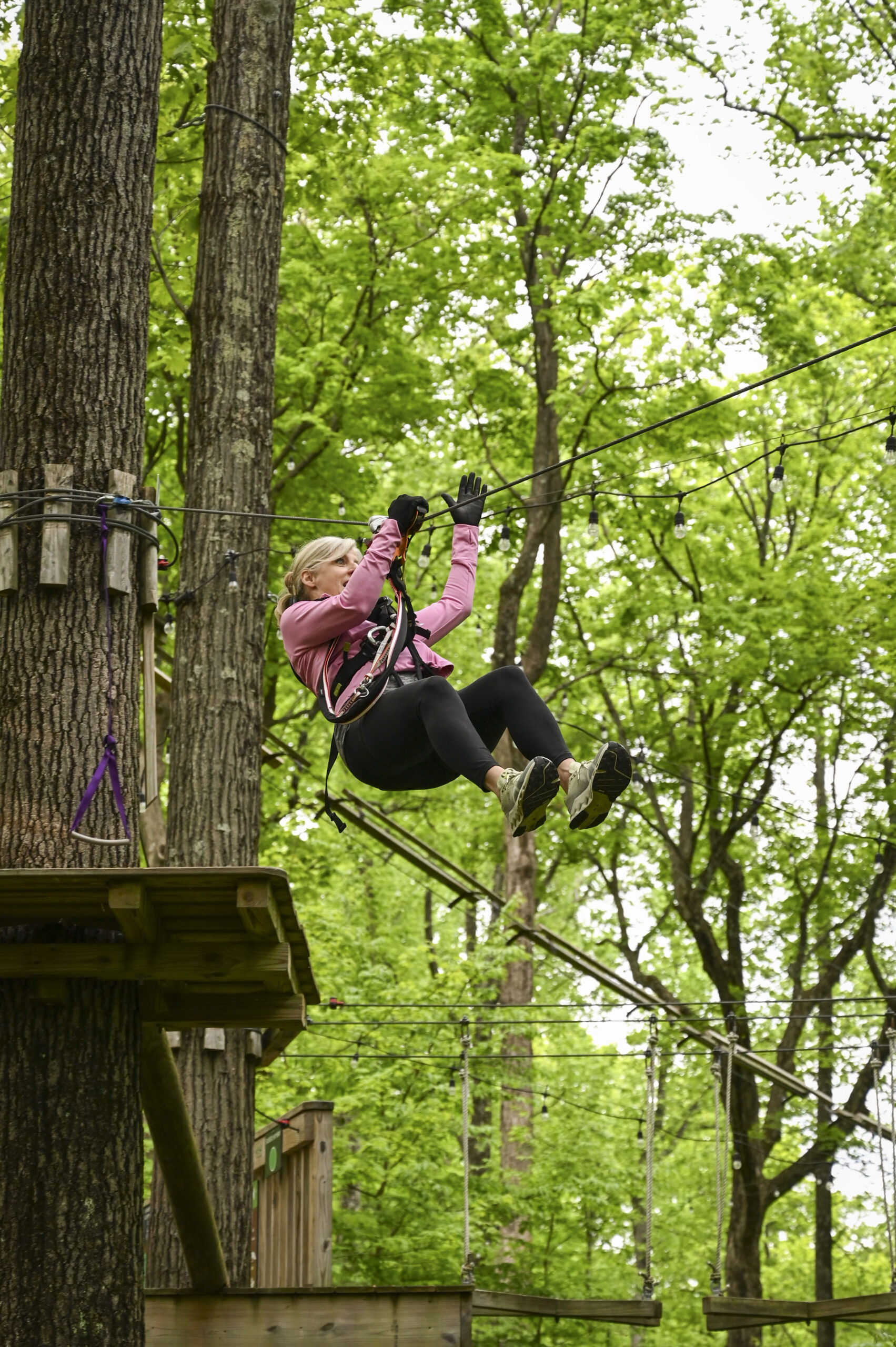
For residents of New Jersey, outdoor adventure often requires a little creativity.
The state is densely populated and many people live close to urban areas. But the demand for outdoor experiences is strong, especially for weekend activities.
Adventure parks offer something unique in this environment.
They bring nature and physical challenge together in a controlled setting that is easy to reach for families, friend groups, and visitors looking for something different to do outside.
A forest adventure at TreEscape
One example of this growing movement is TreEscape Aerial Adventure Park.
Located in Vernon, TreEscape offers a forest based adventure experience where visitors move through the trees across aerial obstacles and zip lines.
Guests can explore a series of elevated rope courses that challenge balance, coordination, and confidence. The courses gradually increase in difficulty, allowing climbers to progress at their own pace.
For visitors who want a faster thrill, the park also offers zip line experiences that let you glide through the forest canopy.
You can explore the park here:
https://treescapeadventurepark.com/
Or learn more about the zip line experience:
https://treescapeadventurepark.com/the-experience/zip-line/
What makes experiences like this appealing is their simplicity.
You are outside.
You are moving.
And for a couple of hours, the only thing that matters is the next platform ahead.
Frequently asked questions
How much does outdoor recreation contribute to the U.S. economy?
It drives over $696.7 billion annually. Bigger than many traditional sectors and growing faster than the overall economy. That’s millions of jobs and small businesses thriving on people getting outside more than ever.
How many Americans participate in outdoor activities yearly?
A record 175.8 million. Over half the population (57%) hit the trails, parks, or adventures last year. Numbers keep climbing as screens lose their grip.
Why are ropes courses so dominant in adventure parks?
They claim about 33% of the market. They deliver achievable challenges everyone can tackle. Climb, balance, zip. Active, social, and outdoors without needing pro skills.
Do adventure parks mostly serve families and friend groups?
Yes, around 45% of activity is pure leisure and recreation. Mixed groups thrive here. Some go high, others take it easy, but everyone ends up smiling.
Does nature and adventure time actually improve mental health?
Absolutely. A PNAS study showed nature walks cut rumination and stress brain activity versus city strolls. Shared challenges like ropes courses build bonds through teamwork and those “you got this” moments.
The real future of outdoor recreation
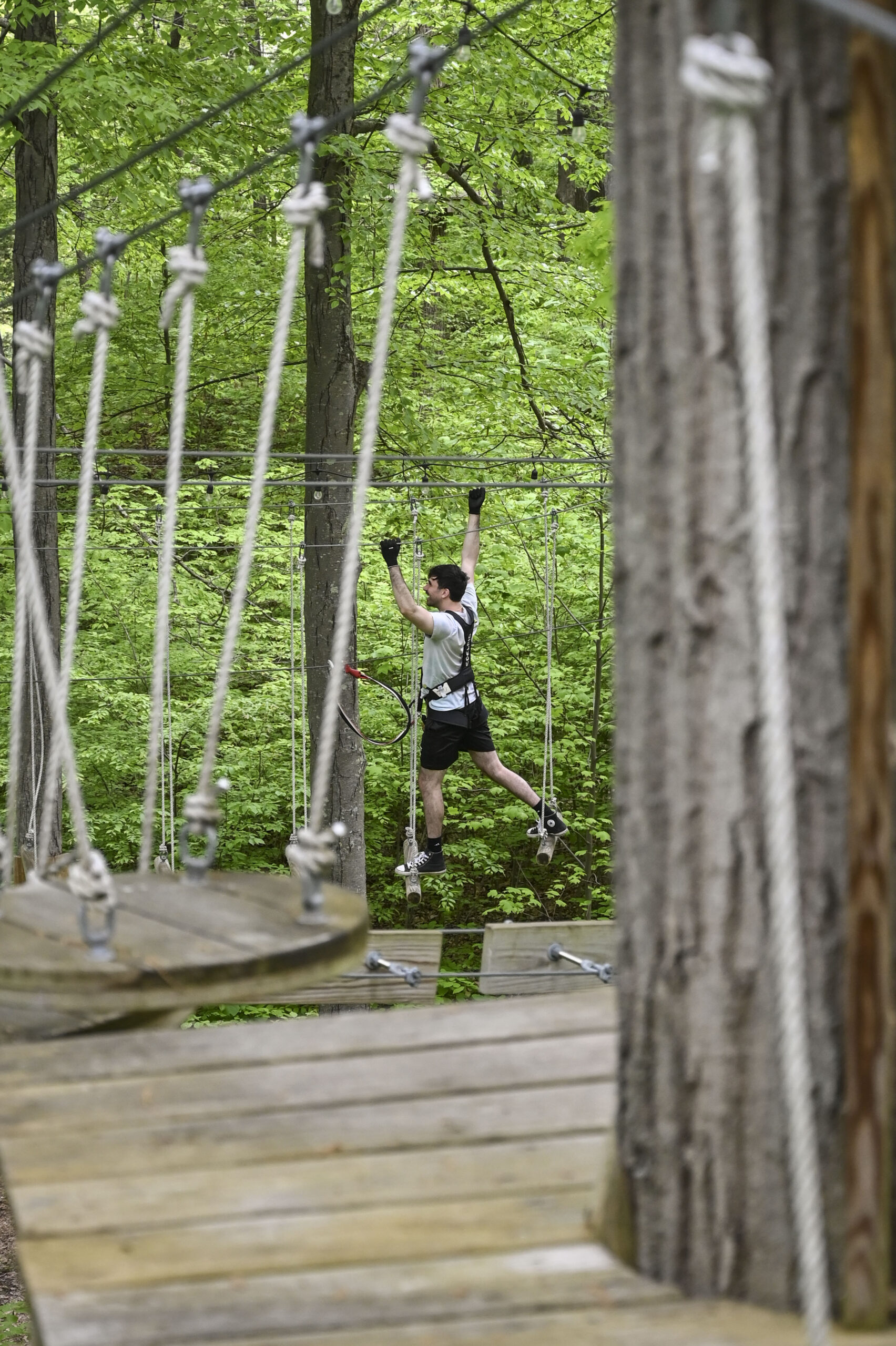
The numbers tell a clear story.
Outdoor recreation is growing.
Adventure experiences are in demand.
And people want activities that connect them to nature and to each other.
Adventure parks sit right at the intersection of those trends.
They offer something modern entertainment sometimes forgets: real participation.
You are not watching the adventure.
You are part of it.
And judging by the statistics, that is exactly what people are looking for.
Park Overview
Read More →