Zip lining is one of those activities people either love instantly or hesitate to try because of common safety concerns. Maybe you’ve wondered, “Is zip lining safe?” or “Is zip lining dangerous?” You’re not alone. Lots of people ask these same questions before stepping off the platform.
Today we’re going to look at the most common safety myths about zip lining and what the available data and industry standards actually show. We’ll break down perceptions, point to authoritative safety information, and help you feel confident about what this adventure really involves.
What is zip lining?
At its core, zip lining is an outdoor activity where participants glide along a suspended cable using a pulley and safety harness. It’s a mix of speed, nature, and perspective. You get to see a forest, canyon, or valley from above while you move through space in a unique way.
Zip lining appeals because it combines thrills with a sense of accomplishment. But for many people, that thrill is tempered by uncertainty about safety.
Myth vs. reality
Let’s look at the most common zip lining myths, one by one, and explore what the data really says.
Myth 1: Zip lining is only for the young and fit
Some people assume you have to be extremely athletic or under a certain age to enjoy zip lining.
Reality: Zip lining is accessible to a wide range of participants. Parks that follow ACCT standards design courses with age, weight, and skill level considerations. Many offer beginner lines, adjustable harness systems, and staff guidance so that even first-timers or those without much athletic background can participate comfortably.
Age and weight limits exist for safety reasons, but they don’t exclude the vast majority of people who want to try it.
Myth 2: Zip lining is too scary for beginners
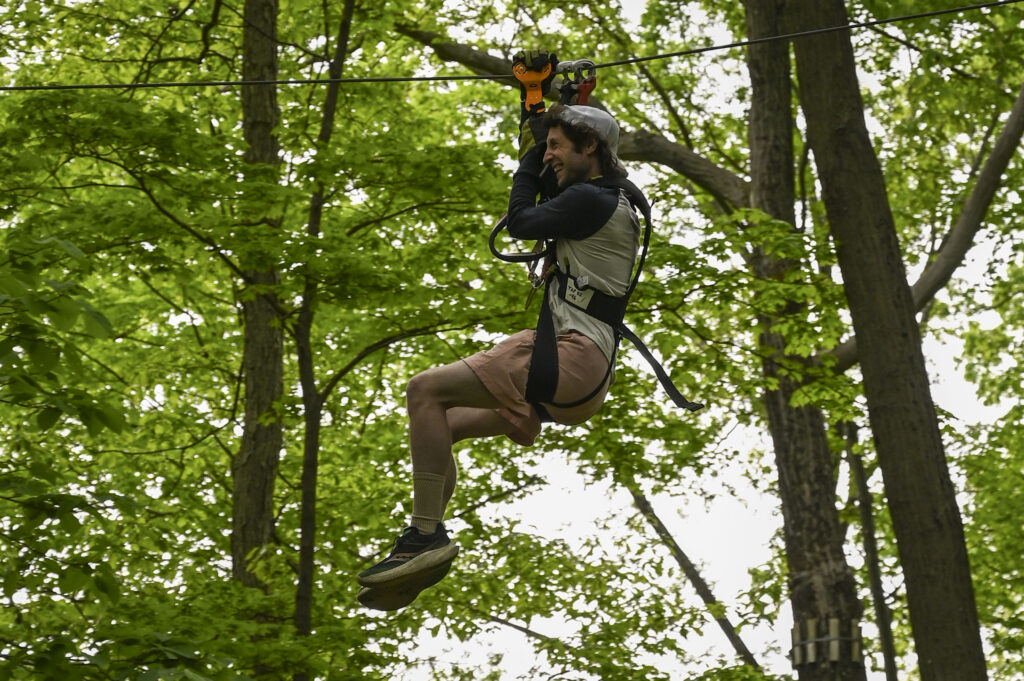
Many people fear zip lining because they imagine heights, speed, or loss of control.
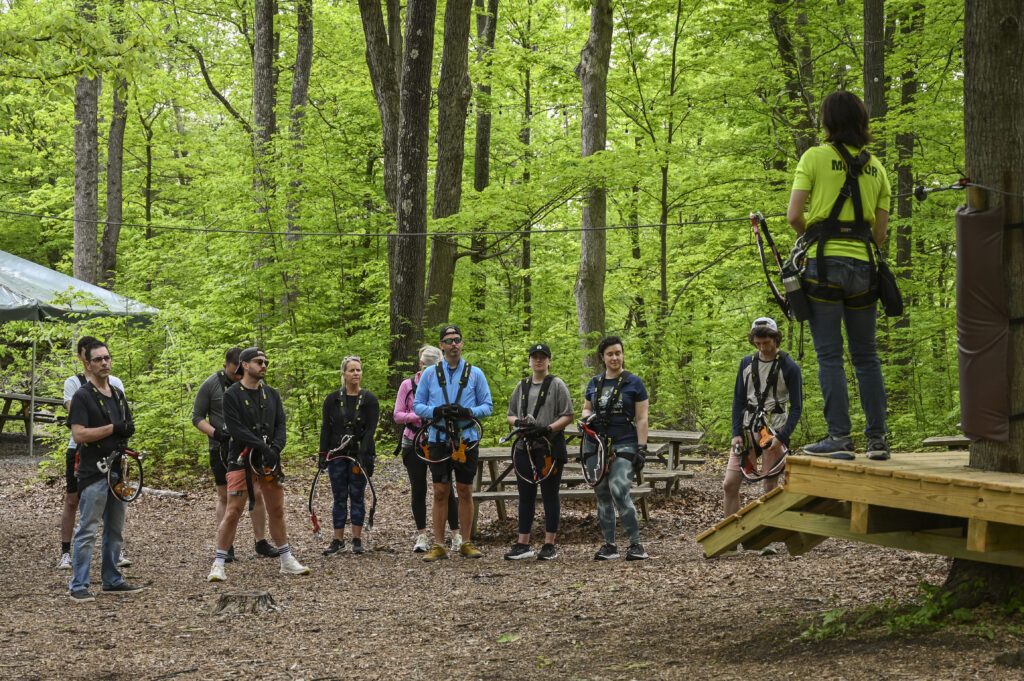
Reality: Feeling nervous is normal, but with proper instruction and support, most people find zip lining exhilarating rather than terrifying. Part of this comes down to pacing and reassurance. Reputable parks provide orientation sessions, demonstrations, and staff guidance so that guests feel confident before they even reach the platform.
In many cases, visitors report that the anticipation felt bigger than the actual experience once they try it.
What the data actually shows
Here’s the part that often gets overlooked: not all zip lines are created equal.
When people search “is zip lining dangerous?” they usually land on broad injury statistics. But those numbers often combine very different types of setups, from backyard cables to unregulated camp installations to fully engineered commercial adventure parks.
According to injury data published through the U.S. Consumer Product Safety Commission (CPSC) and summarized in multiple safety reviews, approximately 30.8% of zip line injuries occur in residential or backyard settings. That’s nearly one-third of reported injuries happening on non-commercial, often DIY installations, not professionally designed adventure parks.
The remaining injuries categorized as occurring in “public places” (about 69.2%) are grouped broadly. That category includes everything from small camps and temporary installations to facilities without standardized inspection programs. The data does not separate highly regulated commercial operations from informal or lightly supervised setups.
That distinction matters.
Because professional commercial zip line operators follow established engineering and inspection standards that backyard or amateur setups simply don’t.
The standards that keep participants safe
If you’ve never heard of ACCT— the Association for Challenge Course Technology — it’s essentially the gold standard for aerial adventure safety in the United States.
ACCT is accredited by the American National Standards Institute (ANSI). That accreditation means the standards are not casual recommendations; they are developed through a rigorous consensus process involving engineers, operators, inspectors, and safety experts.
ACCT standards cover:
- Structural design and engineering requirements
- Construction materials and load specifications
- Harness and hardware requirements
- Staff training protocols
- Daily, monthly, and annual inspection procedures
- Emergency response planning
- Ongoing maintenance schedules
In practice, that means professional operators conduct daily visual and functional inspections before opening. Then, at least once a year, ACCT-certified inspectors perform comprehensive audits using specialized equipment to evaluate structural integrity, wear patterns, and system performance.
Everything is documented.
Insurance providers typically require compliance with these standards. Many states reference ACCT or ANSI-accredited standards in their own regulatory frameworks.
What makes a zip line course safe
Let’s get specific about what differentiates professional operations.
Commercial zip lines are built with high-strength, load-rated steel cables engineered to support multiple times the maximum participant weight. Systems often include redundant safety mechanisms, meaning there are backups in place in case a primary component fails.
Harnesses and connectors are industrial-grade, designed for repetitive commercial use and regularly retired based on wear schedules.
And then there’s staff training.
Most reputable parks (including the ones that follow ACCT standards) use multi-layered safety systems:
- Redundant harness and pulley systems
- Routine daily equipment checks
- Staff training on rescue and emergency procedures
- Clear guest briefings and demonstrations
These layers work together to reduce risk even further.
When rare incidents do occur in commercial environments, reviews consistently point to a small set of contributing factors:
- Guest not following instruction
- Improper use outside normal operating procedure
- Maintenance failures at non-compliant facilities
Well-managed parks reduce these risks through clear briefings, attentive supervision, redundant systems, and documented maintenance schedules.
TreEscape: safe, forest-based adventure in New Jersey
TreEscape Aerial Adventure Park, nestled in the woods of Vernon, New Jersey, offers an experience that blends challenge with fun in a forest-based environment.
With elevated aerial courses, participants navigate a variety of rope elements, balance challenges, and platforms high in the trees. TreEscape also offers zip lining as part of its progression of experiences.
What makes TreEscape stand out from a safety perspective:
- The focus is on fun within a controlled environment, not speed alone
- Courses are designed for gradual progression so climbers build confidence naturally
- Our staff provide instruction and support before guests start their course
- All necessary safety gear is provided and inspected regularly
- The park undergoes a full inspection by an accredited entity before each season, in addition to ongoing internal safety checks
- Every day before opening, TreEscape monitors inspect all courses to ensure everything is in proper working condition
- The park operates seasonally, and you’ll want to make reservations ahead of time, especially for weekends and holidays.

Whether you are planning a solo visit or a group outing, having safety clearly integrated into the experience helps make zip lining and aerial adventure courses accessible and enjoyable for many participants.
Learn more about preparing for your zip line experience and see how aerial courses can also support team building and group engagement.
Tips to prepare and feel confident
If you’re new to zip lining or aerial adventure, here are a few suggestions:
- Wear comfortable, close-toed shoes
- Follow all staff instructions closely
- Think of zip lining as movement with support, not a free-fall
- Take a few deep breaths before stepping off the platform. It helps
Many visitors find that once they get to the first platform, fear turns into focus, and focus turns into enjoyment.
Putting it in perspective
No outdoor activity is risk-free. But the data shows something important:
Professionally built and inspected zip line courses operating under ANSI-accredited standards are fundamentally different from backyard or informal installations.
When you choose a park that follows established industry standards, you’re not stepping onto a cable in the woods; you’re participating in a structured recreational activity supported by engineering, inspection protocols, and trained staff.
That’s a very different picture than the broad statistics sometimes suggest.
Location: 414 County Road 517, Vernon Township, NJ
Visit our website to check hours, pricing, and plan your visit.
Want to learn about zip lining at TreEscape?
Read More →